Best area to stay in Chiang Mai, by people who deliver to all of them
First visit: Old Town or Nimman. Cafés: Nimman. Night market: Chang Khlan. Quiet: the Wat Ket riverside. Budget and local: Santitham. What each one is like to live in, from people who are in every one of them daily.
If you want the short answer: first visit, stay in the Old Town or Nimman. Couples who plan their days around cafés and dinner, Nimman. If the night market is the point of the trip, Chang Khlan. If you want quiet, the Wat Ket side of the river. If you want cheap, local and a bit scruffy, Santitham. The rest of this page is the reasoning, and the parts the hotel listings leave out.
We are a scooter rental and we deliver to every one of these neighbourhoods, every day of the year, so we know which sois a car cannot turn in, where the kerb is full by 18:00, which streets go under water in September and how far each hotel district is from the mountain. This is a guide to the areas as places to live for a few days, with no hotel names and nothing sponsored.
Old Town: inside the moat
Who it suits. First visits, temple walkers, most budget travellers. The square inside the moat is about 1.5 km on each side, so nothing in it is more than a 20-minute walk from anything else.
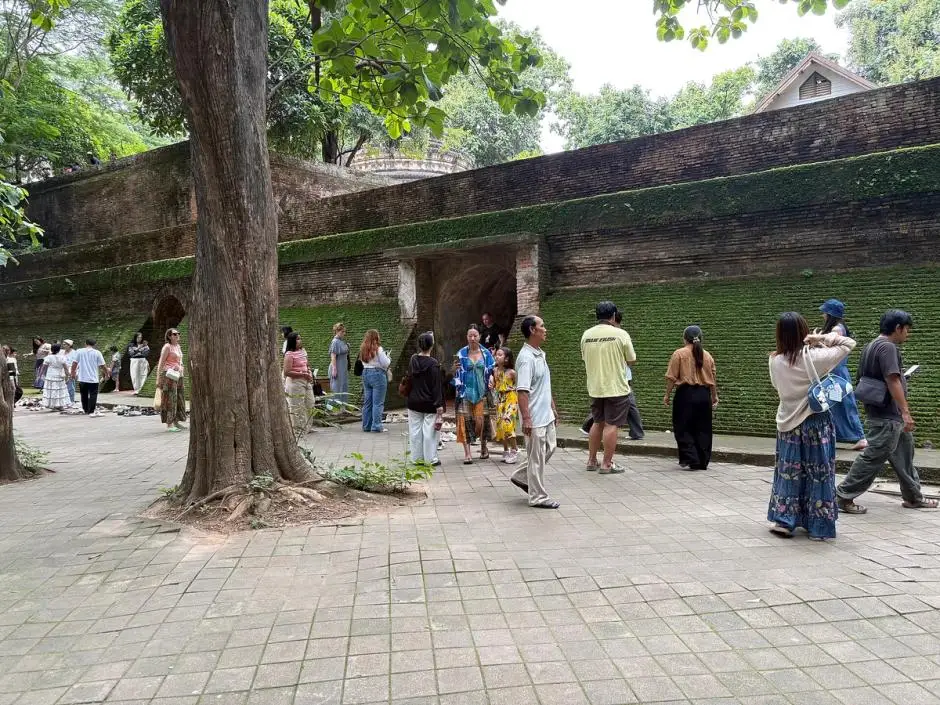
What it is like. Low buildings, lanes that bend for no reason, a temple every two hundred metres, guesthouses with a courtyard and a dog; Wat Chedi Luang and Wat Phra Singh are both in here. The main streets are tourist streets, menus in four languages and massage shops in rows; the lanes between them are where people live and where the good breakfasts are (our Old Town breakfast list is almost entirely in the lanes). Nights are quiet, with one exception: the bar cluster around Zoe in Yellow in the north-east corner is loud until the small hours, so light sleepers should check the map before booking near it.
Getting around. On foot, mostly; red songthaews circle the moat roads and a Grab reaches Nimman or the river in minutes. On a scooter, learn the moat first: the two roads along it are one-way in opposite directions, linked by U-turn bridges, so a wrong turn costs a lap of one side, not a disaster. Inside the walls you park where you sleep, at the kerb or in the guesthouse forecourt. The scooter earns its keep when you leave: Tha Phae Gate to the Doi Suthep temple is about 17 km and 35 to 40 minutes, and Mae Rim about half an hour north.
Honest downsides. The main streets feel like a tourist zone because they are one. On Sundays, Ratchadamnoen Road, the spine of the Old Town, closes to traffic for the walking street from about 16:00 to about 22:00 and the streets around it fill with parked motorbikes: wonderful on foot, slow if your hotel is in the middle of it and you are on wheels (Saturday's version is on Wua Lai Road, just south of the moat). And for a few weeks in the hot season, before the municipality flushes it for Songkran, the moat can smell.
Stay here if you want to walk to temples, eat breakfast in a lane and be in bed by 23:00. We deliver all over the Old Town; send your hotel's map pin, because the hardest addresses in the city are the guesthouses in a soi off a soi.
Nimman: cafés, bars and the shortest road to the mountain
Who it suits. Couples who eat out twice a day, anyone working from a laptop, anyone who wants a bar within walking distance of bed and anyone planning to ride up Doi Suthep more than once.
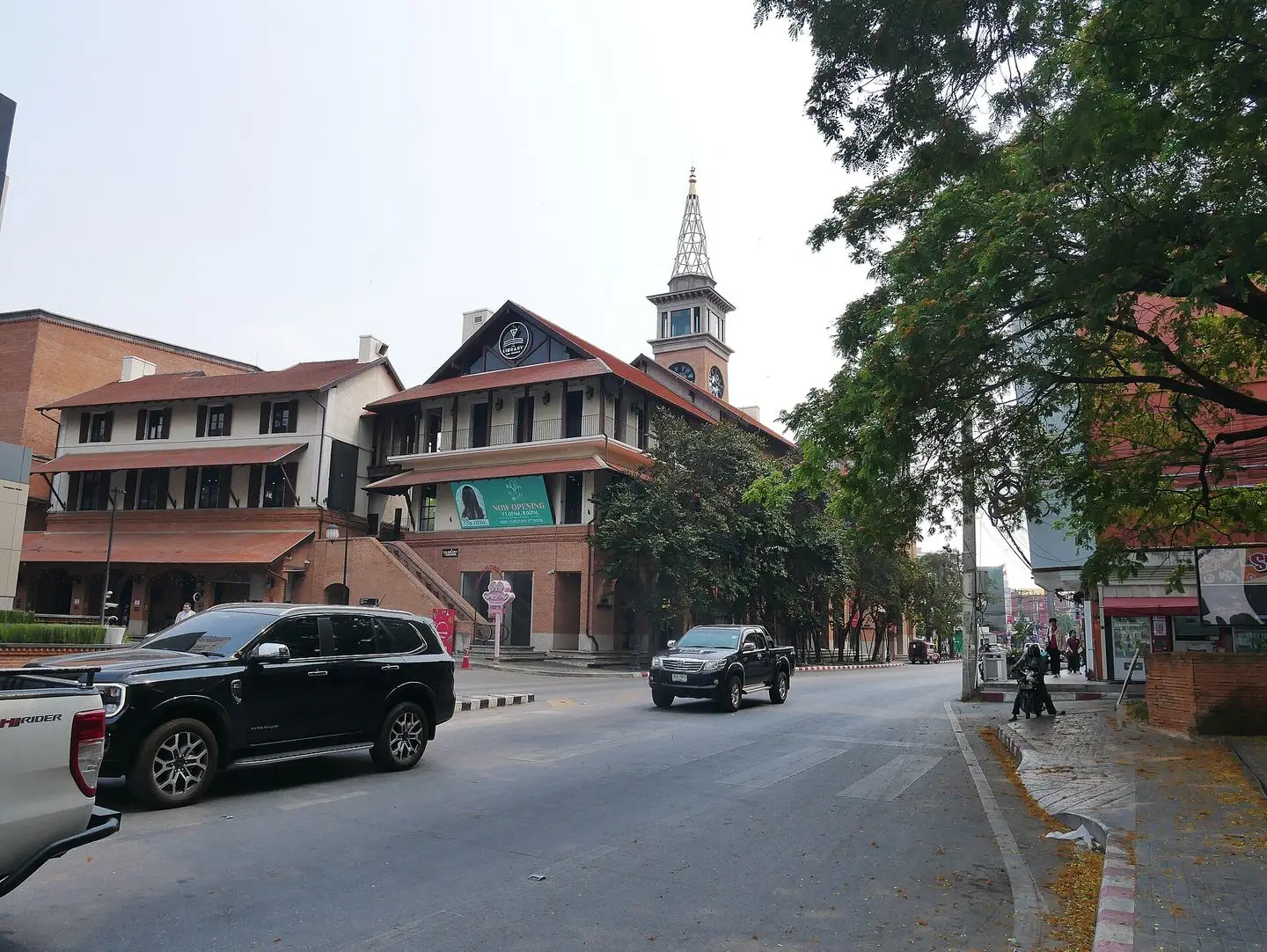
What it is like. Nimmanhaemin Road runs about a kilometre south from the Maya mall and the One Nimman clock tower, with numbered sois off both sides; Sois 7 to 13 hold the densest run of cafés, restaurants and cocktail bars in the north of Thailand. The university is next door, so the crowd is half students, half visitors, and the condos are full of people who came for a month and stayed. Evenings are busy; weekend evenings very.
Getting around. Walkable within itself; the Old Town is about 2 km east, ten minutes by songthaew or Grab. On a scooter Nimman is the easiest of the five to live in, with one catch: parking. The main strip has no kerb space after about 18:00 and the red-and-white kerbs mean what they say, so park in the sois or in a mall garage. Several of the numbered sois are one-way or too narrow to pass in, so watch the arrows. Getting out is the reward: Huay Kaew Road leaves the top of Nimman and goes straight up the mountain, One Nimman to the Doi Suthep temple about 13 km and under 30 minutes, and the Canal Road puts Mae Rim about the same away. Nobody in the city is closer to the hills.
Honest downsides. The most expensive of the central areas and the one with the least Chiang Mai in it. The 17:00 traffic on Huay Kaew Road and at the Rincome junction, where it meets Nimman, is the worst in town, and a scooter sits in it with everyone else. No temples to speak of: you travel for the sights every day.
Stay here if you would rather have the food and the coffee at your door and ride to the temples. Nimman is one of our busiest delivery areas; condo buildings usually have a motorbike bay underground.
Santitham: the local option between the two
Who it suits. Budget travellers, anyone staying a month, and people who have done Chiang Mai once and want the version where the neighbours say hello.
What it is like. A grid of residential sois just north of the moat, between Chang Phueak Gate and the Superhighway, with Nimman a few minutes west: apartments by the month, small guesthouses, laundries, a morning market (Siri Wattana), and food cheaper and better than anything on a tourist street, with the evening stalls at Chang Phueak Gate, including the famous khao kha moo stall, at its southern edge. There are no sights. That is the point.
Getting around. The moat is 10 to 15 minutes on foot, Nimman about 2 km, Tha Phae Gate under 4 km; the sois are quiet at night, Grab works and songthaews run on the main roads around it. On a scooter it is the easiest parking in the city, at your door like your neighbours, and you are on the right side of town for Doi Suthep and Mae Rim.
Honest downsides. Few proper hotels; most of it is guesthouse or apartment standard. The main roads framing the area are busy and not pretty, and a room on one of them will be noisy.
Stay here if you want cheap, local and a scooter outside the door. Our Santitham page has the practical detail; delivery here is as quick as anywhere in the city.
Night Bazaar and Chang Khlan: the market strip
Who it suits. People who came for the markets, families who want a large hotel with a pool, and anyone on a two-night stop who wants to sit between the Old Town and the river.
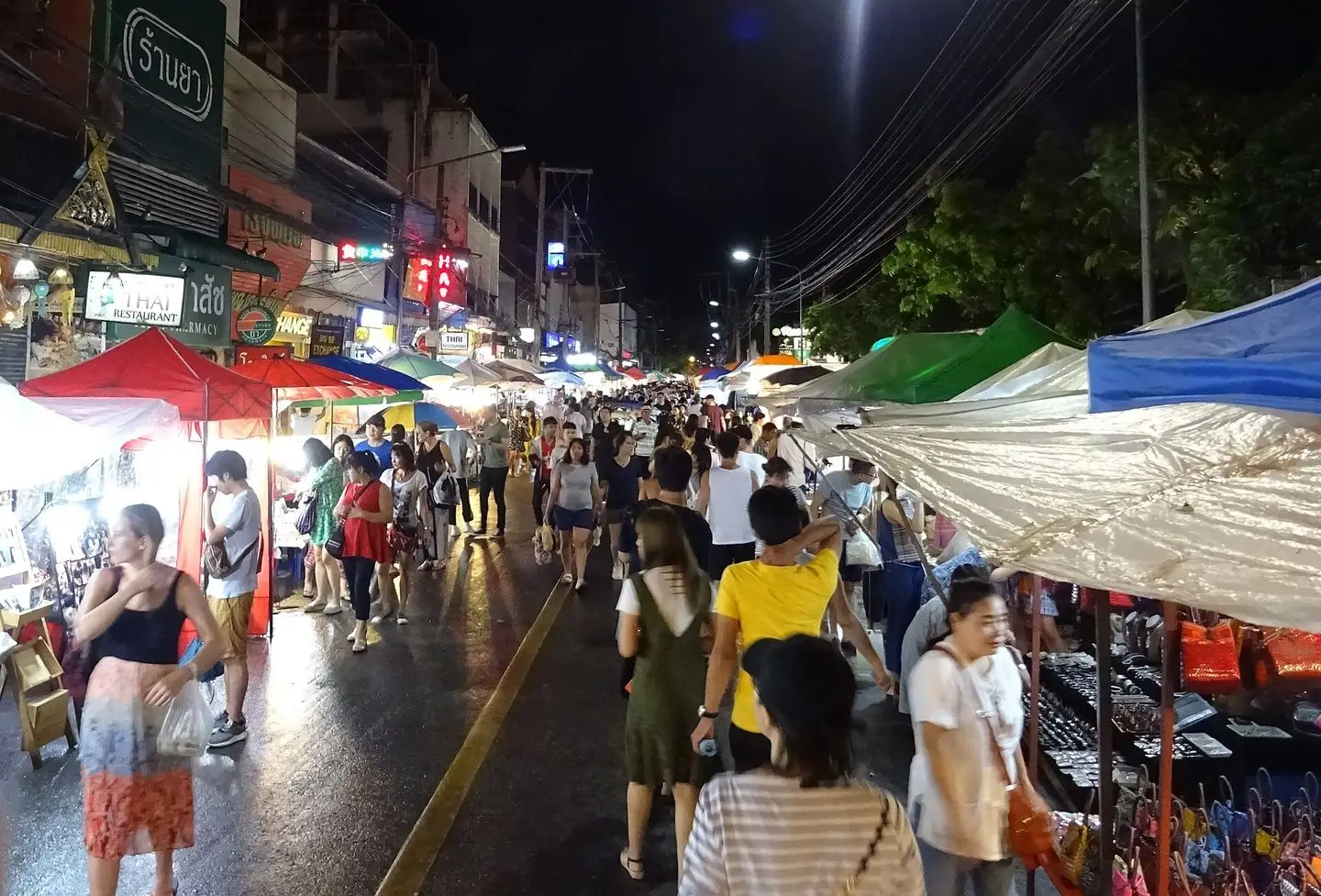
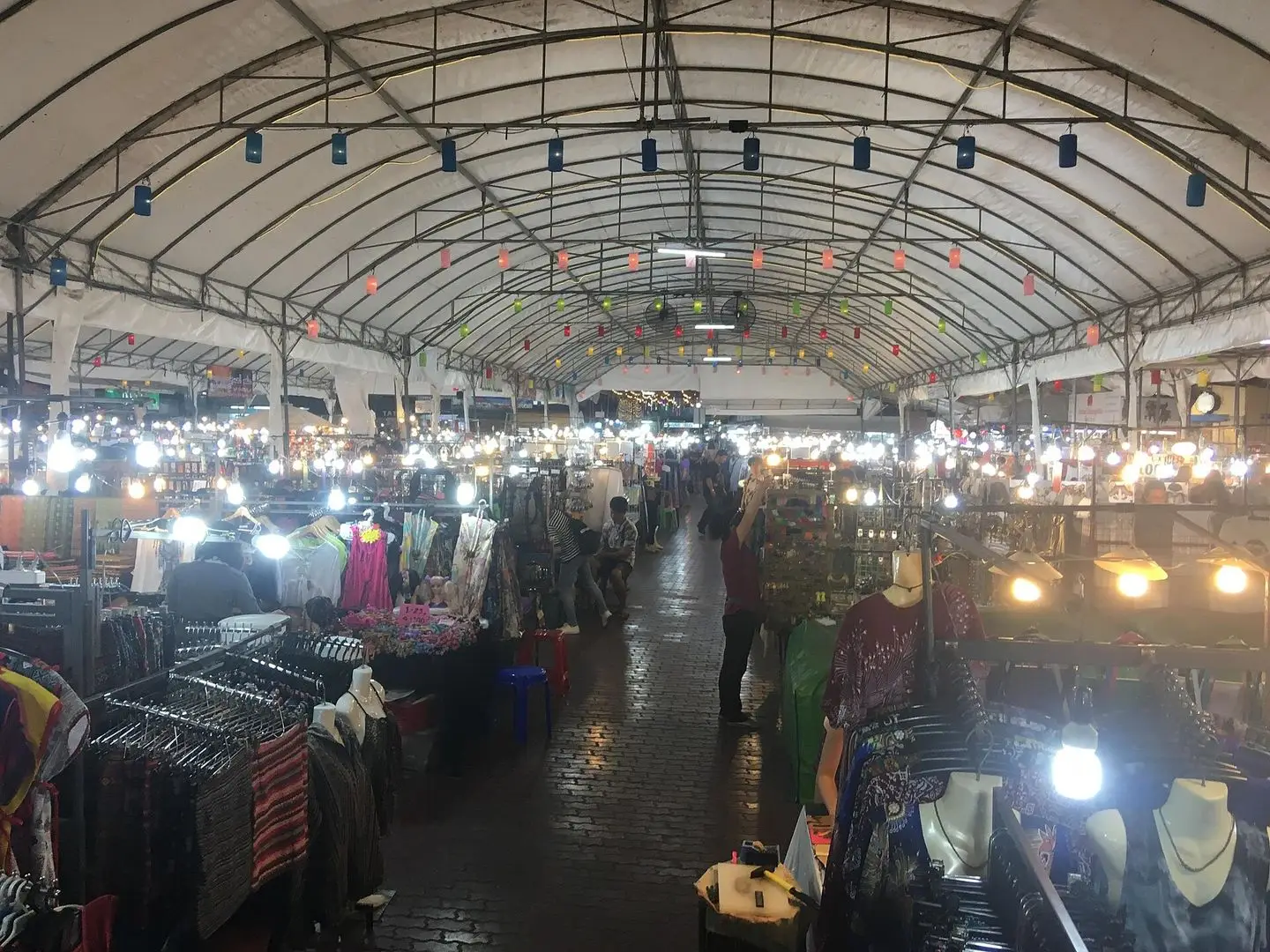
What it is like. Chang Khlan Road runs south from Tha Phae Road towards the river, a kilometre east of the moat, and every evening from late afternoon until late it becomes the Night Bazaar: stalls down both pavements, the covered halls, the Kalare and Anusarn food courts behind. Loi Kroh Road, which crosses it, is the city's bar street, with a boxing ring in the middle. The hotels are big and mostly from the 1990s. Warorot Market, the real daily market, is ten minutes' walk north and worth more of your time than the bazaar (our guide to the five best markets in Chiang Mai explains why).
Getting around. The Old Town is a 15-minute walk through Tha Phae Gate, the river five minutes the other way; songthaews and tuk-tuks wait along Chang Khlan all evening. On a scooter, Chang Khlan Road crawls between about 17:00 and 20:00 while the stalls set up and the tour vans arrive, so park in your hotel's forecourt and walk. You are on the wrong side of town for the mountain (about 18 km to the Doi Suthep temple, closer to 45 minutes in the evening) but on the right side for the day trips east to San Kamphaeng and Mae Kampong.
Honest downsides. The least charming of the five, and the touts and the Loi Kroh bar scene are part of the evening whether you want them or not. It is also the lowest ground in the city: in late September and again in early October 2024 the Ping broke its banks, reached a record 5.30 m at the Nawarat Bridge and put Chang Khlan Road, the Night Bazaar and Warorot under more than a metre of water, and after an ordinary big storm the low streets here hold water for an hour or two. For September or October we would honestly pick a hotel west of the moat (more in our honest answer to "is Chiang Mai safe?").
Stay here if the market is the reason you are here and the trip is short. We deliver to the Night Bazaar hotels every day; a slot before 17:00 or after 20:00 makes the handover quicker.
Riverside: Wat Ket and Charoenrat Road
Who it suits. Couples, anyone who wants quiet, people who like old houses, and anyone with a scooter or the patience to call a Grab for every meal. It is also the one where you feel least like a tourist.
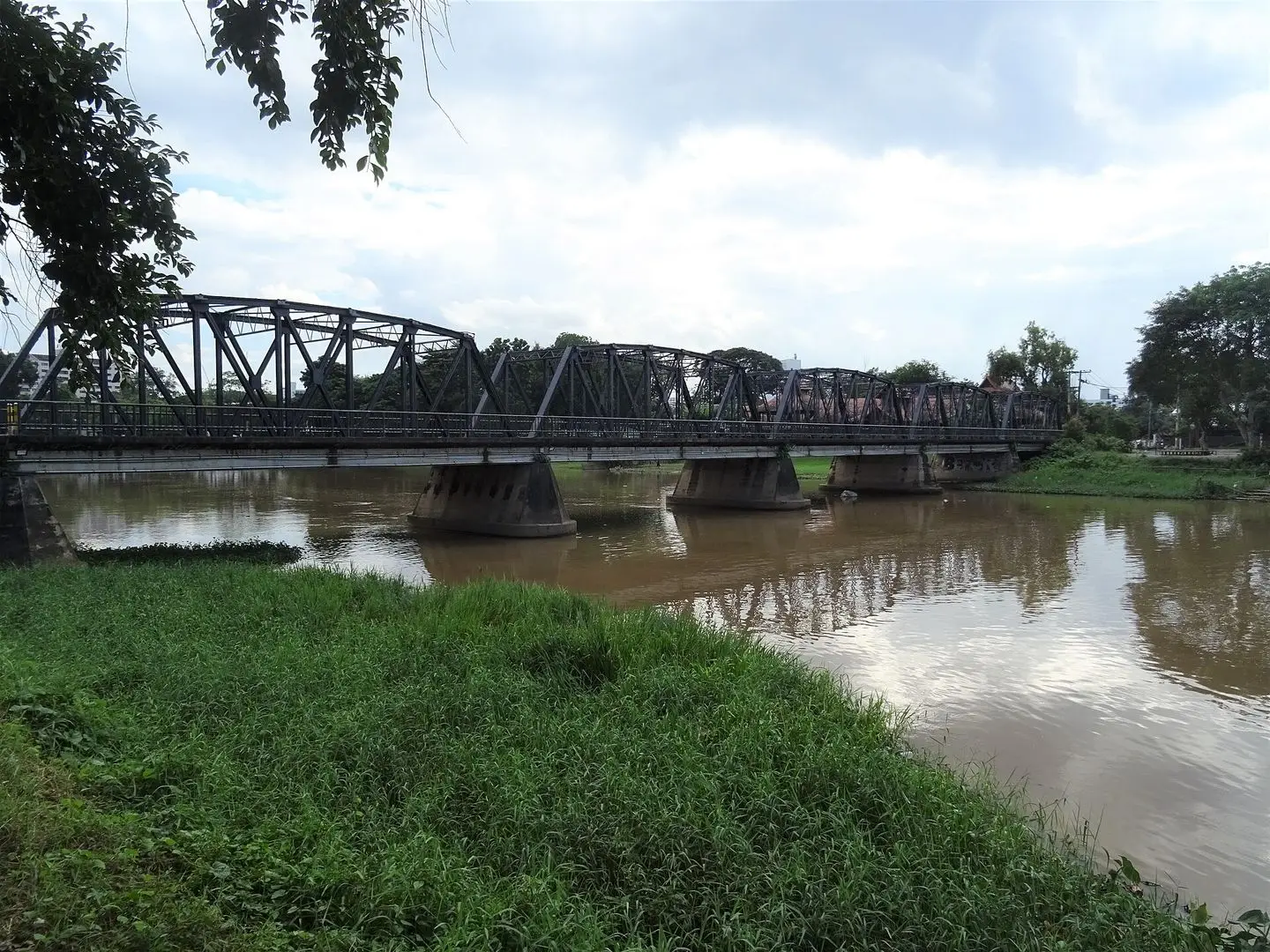
What it is like. The east bank of the Ping along Charoenrat Road, between the Nawarat Bridge and the Iron Bridge, is the city's oldest trading quarter: teak houses and Chinese shophouses turned into cafés and boutique hotels, Wat Ket Karam from 1428 with its odd and lovely folk museum, the First Church a few hundred metres on. The restaurants on the water have live bands in the evening; away from them, the only sound after 22:00 is the river. It is the prettiest address in Chiang Mai.
Getting around. You will not walk to much. Warorot Market is just across the Nawarat Bridge, the Night Bazaar ten minutes beyond, the Old Town 20 to 25 minutes on foot or five to ten by Grab; songthaews are thin on this bank, so budget for ride-hailing. On a scooter the riverside is simple, wide kerbs and easy parking, and its one real drawback, the distance from everything, stops mattering: breakfast at Warorot, temples in the Old Town, dinner in Nimman, back across the bridge to the quiet, ten minutes a leg. For the mountain you cross the whole town first, so count 45 minutes. Charoenrat Road itself is busier than its width suggests at 17:00.
Honest downsides. Price: boutique and luxury territory with few budget rooms. Dependence on transport if you do not ride. And the river: the October 2024 flood covered this bank too, reaching the hospitals on the east side and standing for days. It had not happened on that scale in 50 years, but it is a reason to stay here from November to August rather than in the two months the river is highest.
Stay here if you want quiet nights and old houses and are happy to ride, or ride-hail, for everything else. We deliver along the whole riverside.
The airport side, Hang Dong, the Canal Road and further out
Around the airport. Only 3 to 4 km south-west of the Old Town, so 15 minutes to Tha Phae Gate and ten to Nimman, but not a neighbourhood: a mall, a dual carriageway and aircraft that land late and leave early. Fine for a one-night stopover, and we deliver to the airport for people who would rather ride away from arrivals than queue for a taxi.
Hang Dong and the Canal Road. The Canal Road runs south along the irrigation canal towards Hang Dong, and the villa estates and resorts out here are where many long-term foreigners live: green, quiet, cheap for the space. From the Hang Dong end it is about 16 km and 20 to 30 minutes to the Old Town, more at 17:00, and nothing is walkable. With a scooter it works; without one you will spend the holiday waiting for cars.
Mae Rim and the resorts north. Lovely for a night or two near the Mae Sa waterfalls, but a day-trip base, not a city base: about 15 km north of Nimman, half an hour each way.
Our online booking covers Mueang Chiang Mai, the city district, which includes all five neighbourhoods above and the airport. Hang Dong, Mae Rim and the far end of the Canal Road are separate districts, so message us first.
Getting between them
A red songthaew is ฿30 per person for a shared ride in the city (2026): flag it down, say where you are going, pay when you get off. Grab and Bolt both work everywhere in town; at the airport only Grab may pick up at the terminal. Tuk-tuks need the price agreed first.
A scooter changes the arithmetic, which is really the point of this page: with one, the quiet riverside is ten minutes from the Nimman restaurants and Santitham from everything, so you can choose a neighbourhood for how it feels at 23:00 rather than for what is walkable at noon. We bring the scooter to your hotel in any of these areas, free, usually in minutes, with two helmets and the under-seat bag with a first-aid kit and two rain ponchos. Not sure which bike? The scooter finder asks four questions.
When to book
- December to February is high season; the Old Town and Nimman sell their good rooms weeks ahead, Santitham and Chang Khlan still have space later.
- Yi Peng and Loy Krathong (November) is the one weekend when the whole city fills; the lantern and krathong crowds are on the river, so riverside rooms go first. In 2026 the airport cut its hours to about 12 a day from 21 to 28 November and cancelled more than a hundred flights for lantern safety, so check your flight times.
- Songkran (13–15 April 2027) is centred on the moat. Inside the Old Town you will be wet from 10:00 to 18:00 for three days, which is either why you came or a reason to stay in Wat Ket.
- March to mid-April is the smoke season. No neighbourhood is cleaner than another; choose a room with an air purifier rather than an area.
- September and October are the wet months and the ones with flood risk on the river; the Old Town, Nimman and Santitham are the safer picks.
Whichever you choose, the rest of the planning is in our guide to the best things to do in Chiang Mai.
Quick questions
What is the best area to stay in Chiang Mai for a first visit?
The Old Town, inside the moat, if you want to walk to the temples and the Sunday market, or Nimman if you want cafés and bars at your door and do not mind a ten-minute ride to the sights. Both are safe, central and well served by songthaews and ride-hailing apps.
Is it better to stay in the Old Town or Nimman?
The Old Town is quieter at night, more walkable and has most of the sights; Nimman has the food, the coffee and the nightlife and is the closest base to Doi Suthep. Couples who want to eat well usually prefer Nimman; people who want to walk out of the hotel into temples prefer the Old Town.
Is the Night Bazaar a good area to stay in Chiang Mai?
It is convenient, with large hotels, the night market every evening and Warorot Market a short walk away, but it is the busiest and least charming of the central areas, and Loi Kroh Road has the city's bar scene. Good for a short stay built around markets; less good for a quiet week.
Where should I stay in Chiang Mai for a quiet trip?
The Wat Ket riverside along Charoenrat Road, on the east bank of the Ping. Traffic noise drops to almost nothing late in the evening, except near the live-music restaurants, and you are still five to ten minutes by Grab from the Old Town.
How far apart are Chiang Mai's neighbourhoods?
Very close. Santitham to the moat is a 10 to 15 minute walk, Nimman to the Old Town about 2 km, the Old Town to the river about 1 km. A red songthaew costs ฿30 per person in the city (2026) and a Grab or Bolt between any two of these areas takes a few minutes.
Which areas of Chiang Mai flooded in 2024?
The low ground on both banks of the Ping River: Chang Khlan and the Night Bazaar, Warorot Market and the Wat Ket side, in late September and again in early October 2024, when the river hit a record 5.30 m. The Old Town inside the moat and Nimman stayed dry. For a September or October stay, that is a reason to pick a hotel west of the river.